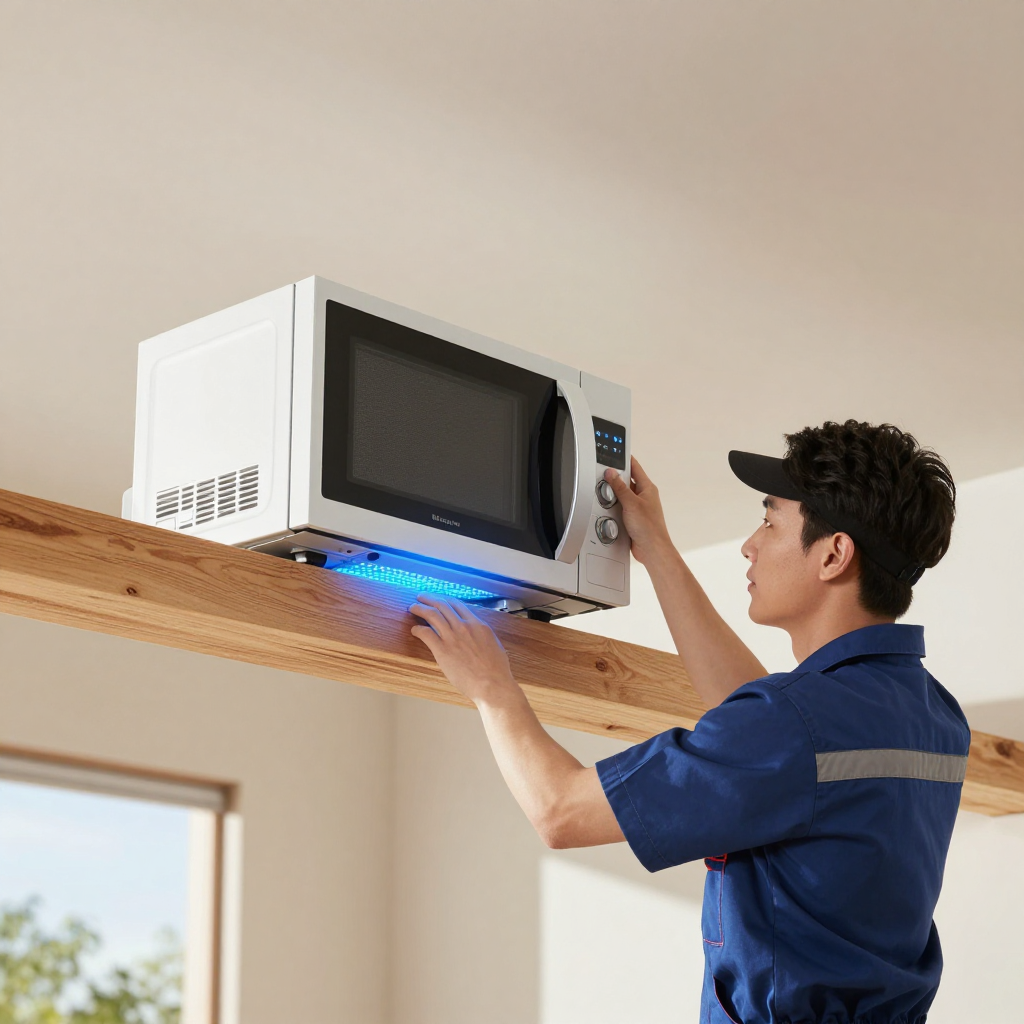
From Larvae to Zero: How Microwaves Eliminate Wood-Boring Beetles
Wood-boring beetles are among the most destructive pests that can attack timber. While the adult beetles are often noticed only briefly, the real damage is caused by their larvae, commonly referred to as woodworms. These tiny larvae spend years tunneling through wood, weakening beams, furniture, flooring, and other wooden structures from the inside out. Because they remain hidden beneath the surface, infestations can go unnoticed until significant damage has already occurred.
Traditional chemical treatments have long been used to combat woodworms, but they often struggle to reach insects living deep inside timber. Today, microwave technology offers a modern, chemical-free solution that targets every stage of the wood-boring beetle’s life cycle. Companies like Shashel are helping property owners and restoration professionals protect valuable timber with innovative microwave treatment systems designed for effective, environmentally friendly pest control.
Understanding the Life Cycle of Wood-Boring Beetles
To understand why microwave treatment is so effective, it’s important to first understand how wood-boring beetles develop.
The life cycle generally consists of four stages:
- Egg
- Larva (woodworm)
- Pupa
- Adult beetle
Adult beetles lay their eggs in cracks, joints, or existing holes in timber. Once the eggs hatch, the larvae begin feeding on the wood, creating a network of tunnels beneath the surface. This larval stage is by far the longest and can last from two to several years depending on the species and environmental conditions.
Eventually, the larvae transform into pupae before emerging as adult beetles through the small exit holes commonly seen in infested wood. The adults then repeat the cycle by laying new eggs.
Breaking this cycle is essential to stopping an infestation, and this is where Shashel microwave technology offers a significant advantage.
Why Larvae Cause the Most Damage
Many people assume that adult beetles are responsible for damaging wood, but in reality, almost all structural damage occurs during the larval stage.
As larvae feed continuously on the cellulose inside timber, they create tunnels that weaken the wood over time. Because this activity takes place beneath the surface, infestations often remain hidden until visible signs appear.
These signs may include:
- Small round exit holes
- Fine wood dust (frass)
- Soft or weakened timber
- Hollow-sounding wood
- Adult beetles appearing during spring or summer
By the time these symptoms become visible, larvae may have been feeding inside the timber for several years.
Why Chemical Treatments Have Limitations
Chemical insecticides have traditionally been used to treat woodworm infestations. While they can provide protection against future attacks, they often face several challenges when dealing with active infestations.
Surface-applied chemicals usually penetrate only a limited distance into solid wood. Since larvae often live much deeper within the timber, they may never come into contact with enough insecticide to be eliminated.
In addition, chemicals may:
- Leave residues inside treated buildings
- Produce unpleasant odors
- Require multiple applications
- Be unsuitable for sensitive environments such as museums or historic buildings
These limitations have encouraged many professionals, including those working with Shashel, to adopt alternative technologies that target insects directly.
The Science Behind Microwave Treatment
Microwave technology works differently from chemical treatments.
Instead of poisoning insects, microwave devices generate controlled electromagnetic waves that penetrate the timber. These waves interact with water molecules inside the wood and, more importantly, inside the insects.
Because woodworm larvae contain significantly more moisture than seasoned timber, they absorb microwave energy much more efficiently. The water molecules within the larvae vibrate rapidly, generating heat throughout their bodies.
When the insects reach a lethal internal temperature, they cannot survive.
This scientific principle allows microwave technology to destroy larvae, eggs, pupae, and even newly developing insects hidden inside the timber.
Modern systems developed by Shashel use this precise heating process to eliminate wood-boring beetles without relying on chemical pesticides.
From Larvae to Zero: Eliminating Every Life Stage
One of the greatest advantages of microwave treatment is its ability to interrupt the beetle’s entire life cycle.
Eggs
Although tiny and well protected inside the wood, beetle eggs are highly sensitive to elevated temperatures. Microwave energy heats the surrounding environment, preventing successful development.
Larvae
The larval stage is the primary target of treatment. Because larvae contain a high percentage of moisture, they absorb microwave energy efficiently and are eliminated once their internal temperature reaches lethal levels.
Pupae
Even during transformation into adult beetles, pupae remain vulnerable to carefully controlled heating. Microwave treatment helps prevent the next generation from emerging.
Adult Beetles
If adult beetles are present within the treated timber, they are also susceptible to lethal temperatures produced during the process.
By targeting every stage of development, Shashel microwave technology helps stop infestations before the breeding cycle can continue.
Advantages of Microwave Technology
Microwave treatment offers numerous benefits over conventional pest control methods.
Chemical-Free
No pesticides, insecticides, or fumigants are required during treatment.
This creates a cleaner indoor environment without chemical residues.
Deep Penetration
Microwave energy reaches insects hidden deep inside timber, where surface treatments often fail.
Immediate Results
Unlike chemicals that rely on insects contacting treated surfaces, microwave treatment works during the treatment process itself by raising the insects’ temperature beyond survivable levels.
Environmentally Friendly
Because no toxic chemicals are introduced into the environment, microwave treatment supports sustainable pest management practices.
Companies like Shashel continue to promote eco-friendly solutions that combine effectiveness with environmental responsibility.
Preserves Valuable Timber
Historic buildings, antique furniture, museums, churches, and heritage sites often require treatment methods that minimize disruption.
Microwave technology provides effective pest control while helping preserve original wooden structures.
Where Microwave Treatment Can Be Used
Microwave technology is suitable for a wide variety of wooden structures, including:
- Roof beams
- Timber framing
- Wooden floors
- Staircases
- Antique furniture
- Structural supports
- Wooden ceilings
- Museums
- Historic buildings
- Heritage restoration projects
Its flexibility makes it an excellent choice for both residential and commercial properties.
Preventing Future Infestations
While microwave treatment eliminates active wood-boring beetles, ongoing maintenance helps reduce the risk of future infestations.
Property owners should:
- Keep timber dry.
- Repair leaks promptly.
- Improve ventilation.
- Control humidity.
- Inspect wooden structures regularly.
- Address signs of beetle activity early.
Regular monitoring allows problems to be identified before extensive structural damage develops.
The Future of Woodworm Control
As demand grows for safer and more sustainable pest control methods, microwave technology is becoming an increasingly popular alternative to traditional chemical treatments.
Its ability to eliminate insects hidden deep inside timber, without introducing harmful chemicals, represents a significant advancement in wood preservation.
Through innovative engineering and scientifically proven heating technology, Shashel continues to demonstrate how modern solutions can effectively protect homes, heritage buildings, furniture, and timber structures from destructive wood-boring beetles.
Conclusion
Wood-boring beetles spend most of their lives hidden inside timber, where their larvae quietly weaken wooden structures over time. Because chemical treatments often struggle to reach these concealed insects, many property owners are turning to microwave technology for a more effective solution.
By using controlled electromagnetic energy to heat moisture-rich insects from within, microwave treatment eliminates eggs, larvae, pupae, and adult beetles without relying on pesticides. This chemical-free approach offers deep penetration, immediate effectiveness, and minimal environmental impact.
From larvae to zero, Shashel provides a modern, science-based solution for protecting valuable timber and preserving wooden structures for years to come.